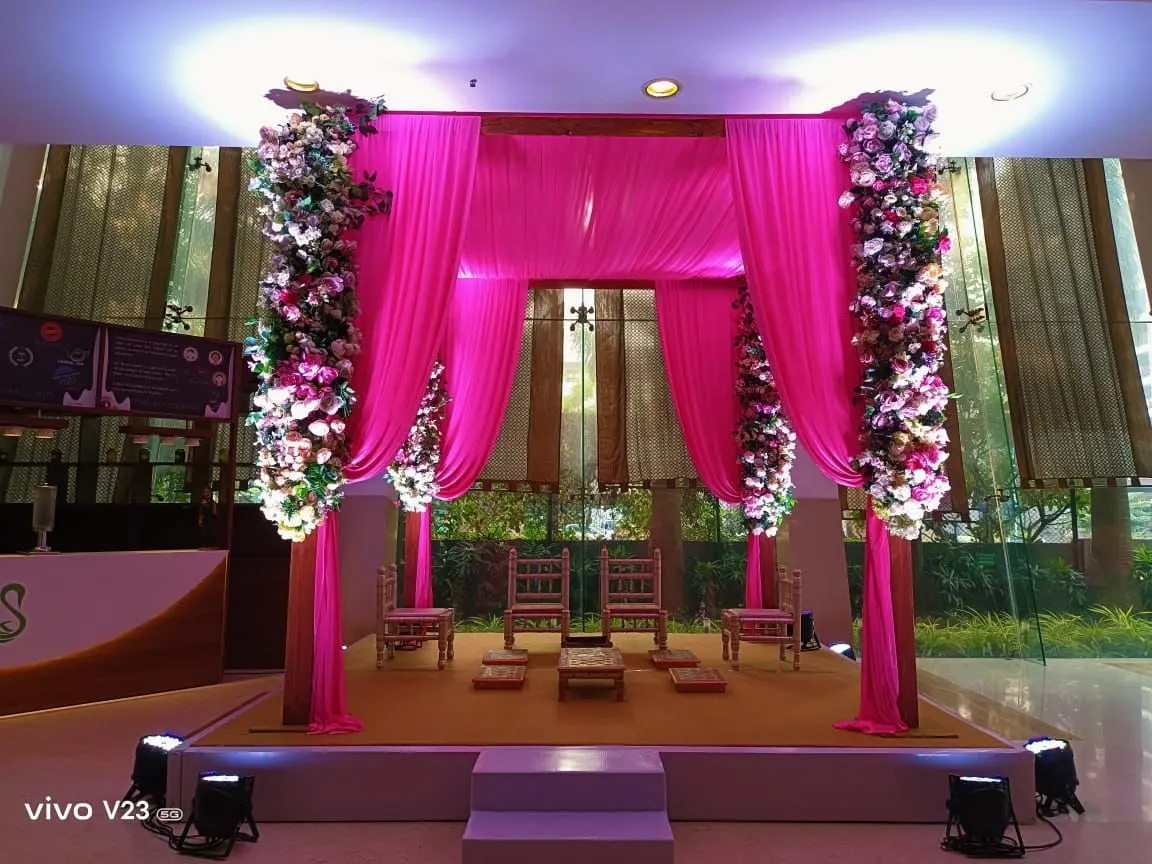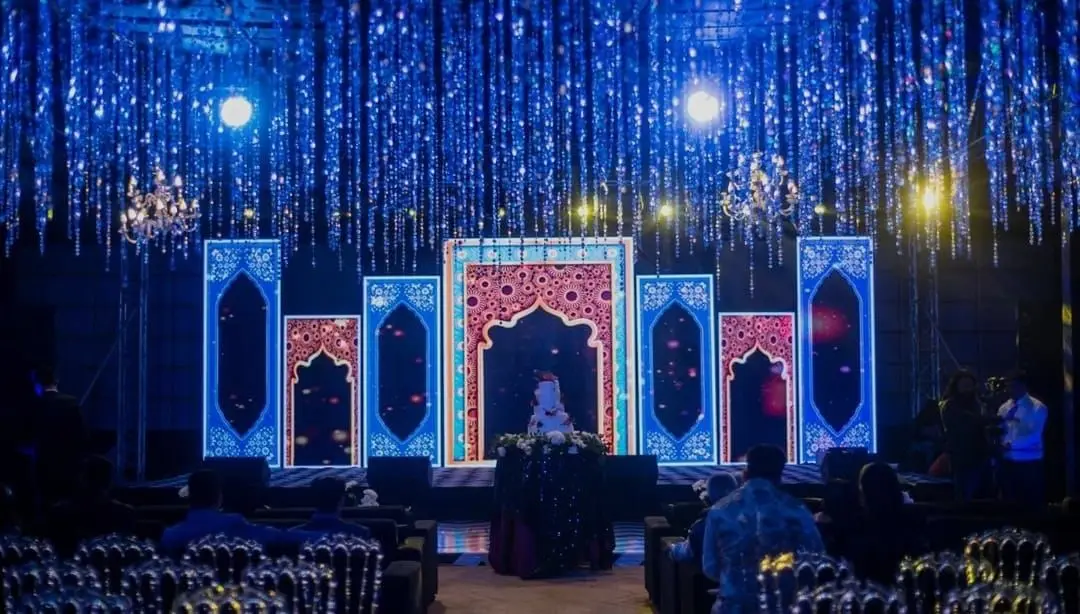

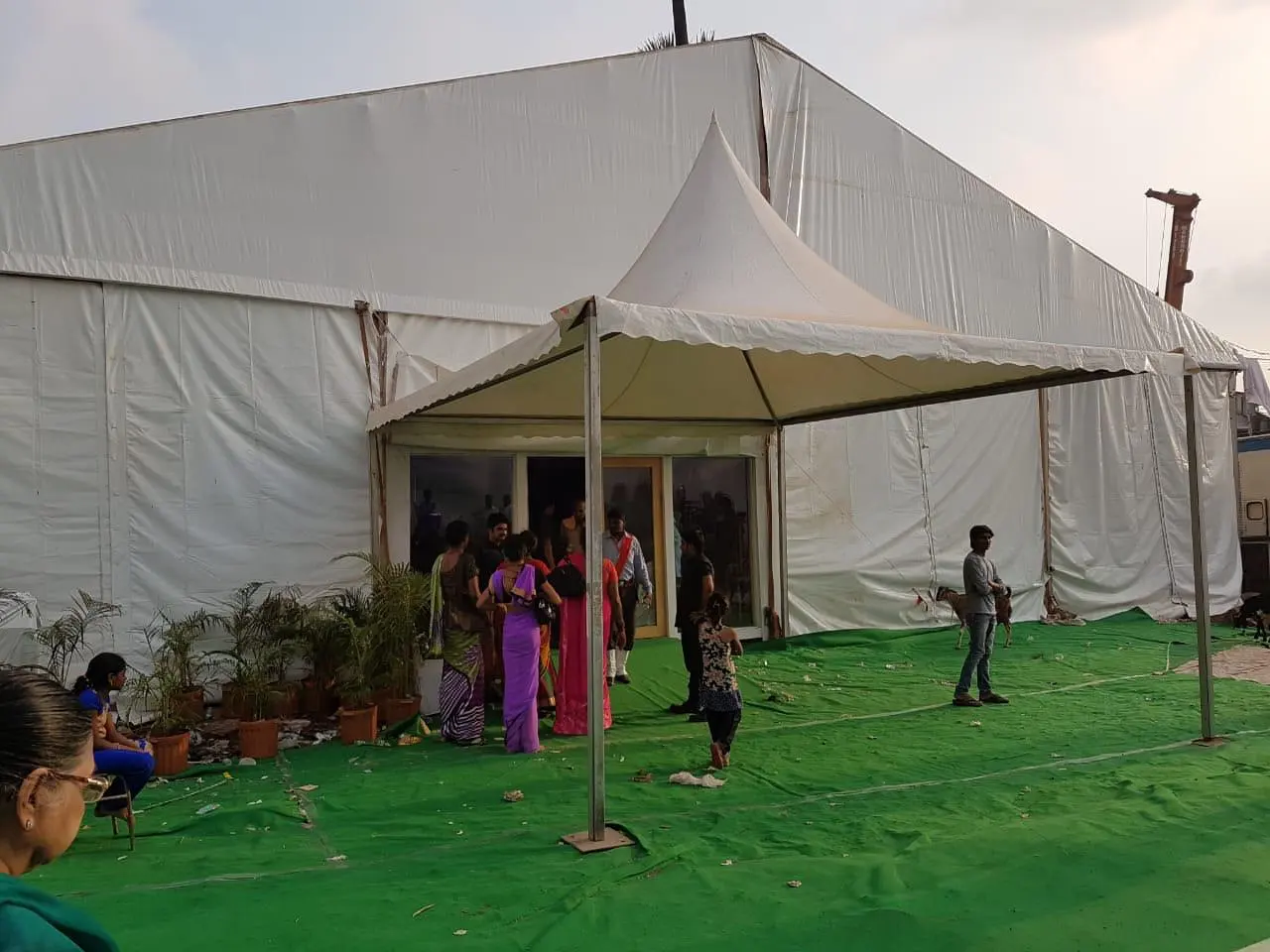
A monsoon wedding in Pune works if the wet-weather plan is agreed in writing before booking, not on the day. Decide which parts move under cover, who makes that call and by what hour. Venues and vendors are cheaper and more available between June and September, which is the real argument for it.
Pune’s monsoon runs roughly June to September, and families are told to avoid it. That advice is lazier than it sounds. Off-season weddings here are cheaper, the venues you actually wanted are free, and the crews are not spread across four weddings the same weekend.
Planning this in Pune? See our wedding planners in Pune: one team plans and runs it with you, since 2013.
What the monsoon does demand is one decision made early and written down. Almost every monsoon wedding that goes badly went badly because that decision was left to the morning.
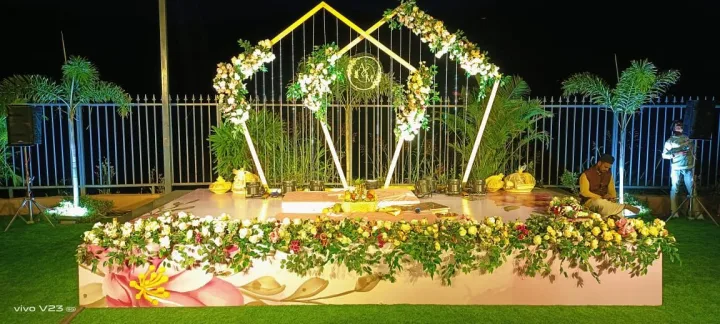
The decision: what moves, who decides, and by when
Before you book anything, settle three things in writing with the venue and the decorator:
- Which parts move under cover if it rains — named function by function. Pheras indoors, reception stays out? Both in? Write it down.
- Who makes the call — one person, named. Not “we’ll see”.
- By what hour — a decorator cannot rebuild a stage at four for a six o’clock function. The cut-off is usually the morning of, sometimes the night before.
A wedding with that written down is a monsoon wedding. One without it is an outdoor wedding that got lucky, or did not.
Venues: three honest options
- Indoor from the start. Banquet hall or karyalaya, no weather risk at all, and in monsoon you can often get the one that is booked out in December.
- Marquee from the start. A covered structure designed in rather than rigged in a panic. Costs more than open-air and less than the stress.
- Open with a named fallback. Cheapest, and only sane if the fallback space genuinely holds your guest count. Walk the fallback room before booking — many “we have an indoor option” rooms hold half the garden’s capacity.
What changes on the ground
Power
Outages are more likely and the load is higher because everything is lit earlier. A generator sized for the full load, with path lighting on the backup circuit, stops a shower becoming a blackout.
Flowers in humidity
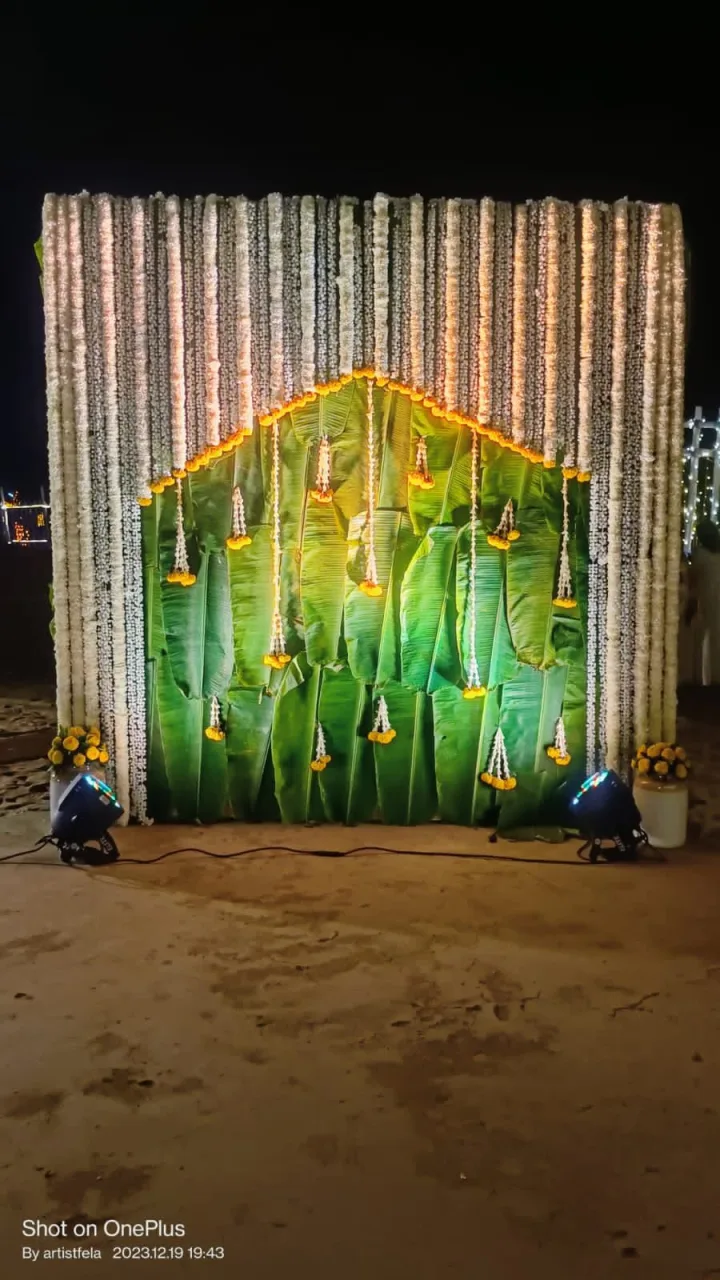
Fresh flowers wilt faster in monsoon humidity than in winter. The fix is timing rather than money: flowers go up later, and the dense work goes up last. A decorator who plans a full floral build the previous evening in August either does not know this or is not telling you.
The ground
Lawns turn to mud in minutes and stay that way. Matting along every walking line, not just the main one, and raised flooring under the seating if the forecast is bad. This is the cheapest item on the list and the one that prevents the injury.
Guest arrival
Traffic in Pune during heavy rain adds thirty to sixty minutes to everything. A covered drop-off point matters more than it does in December, and your muhurat timing should assume people arrive late, because they will.
What it genuinely saves
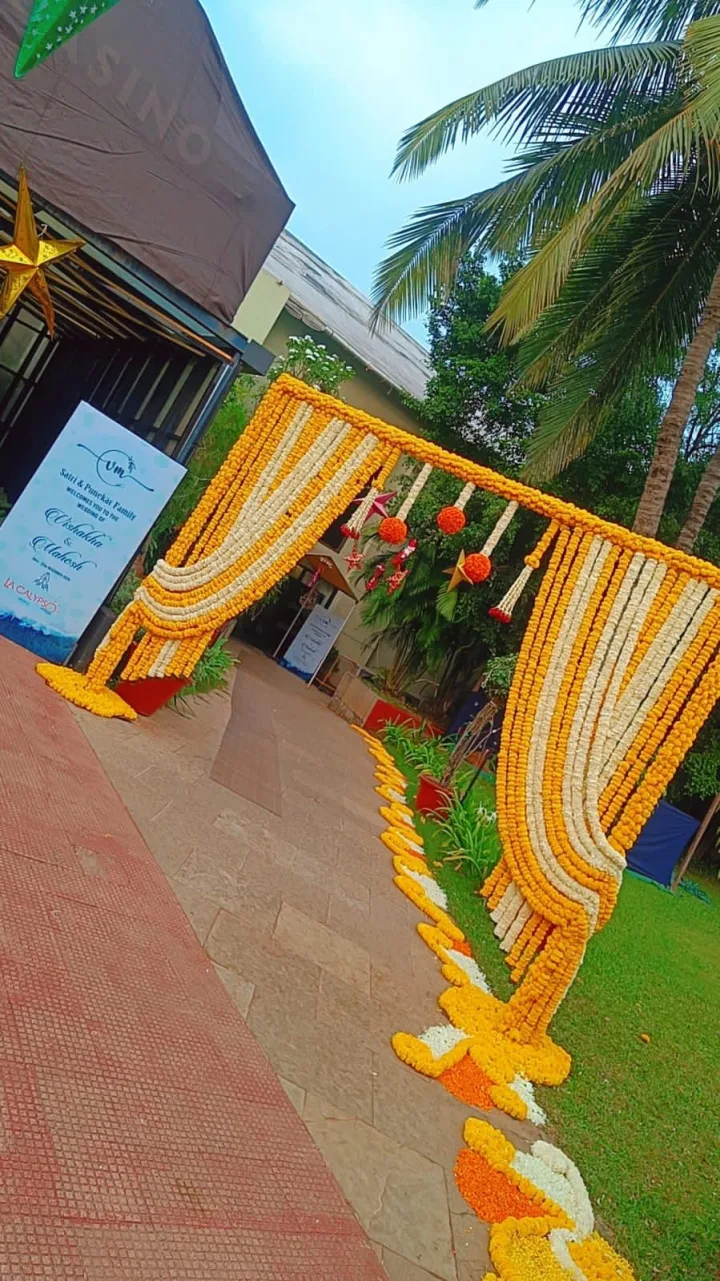
Venue rates are lower off-season and negotiable in a way they are not in peak months. Good decorators, caterers and mehendi artists are available rather than committed. Photographers too. And the venue you could not get for a December date is frequently free in July.
Against that: a marquee or a serious fallback plan costs money that a December wedding does not spend. On a modest wedding the saving usually still wins; on a large outdoor one it can be close.
The photographs are better than people expect
Overcast light is soft and even, which is flattering and far easier than harsh December sun. Green is at its best in Pune in August. Wet weather is a problem for logistics, not for pictures — any photographer will tell you the same.
How we plan one
The same as any wedding, with the fallback written into the scope rather than discussed. Our monsoon quotes carry the covered option as its own line so you can see exactly what the weather insurance costs, and the decision point — who calls it and by when — is in the run sheet.
See wedding planning in Pune, lawn weddings, and choosing a venue.
Frequently asked questions
Is it a bad idea to have a wedding in Pune during monsoon?
No, provided the wet-weather plan is agreed in writing before booking. Venues are cheaper and available, crews are not stretched across four weddings a weekend, and the light is kinder for photographs. What goes wrong is leaving the decision about what moves indoors to the morning itself.
What should the rain fallback actually say?
Three things, in writing: which parts move under cover function by function, who makes that call by name, and by what hour. A decorator cannot rebuild a stage at four for a six o'clock function, so the cut-off is usually the morning of or the night before.
Is a marquee worth the cost?
If the guest list is large or the fallback room cannot hold everyone, yes — and it should be designed in from the start rather than rigged in a hurry. Walk the venue's indoor fallback before booking: many rooms described as an option hold half the garden's capacity.
Do flowers last in monsoon humidity?
Less well than in winter, so the fix is timing rather than budget. Flowers go up later and the dense work goes up last. Be wary of any plan that has a full floral build completed the previous evening in August.
Is a monsoon wedding cheaper in Pune?
Usually. Venue rates are lower and negotiable off-season, and the decorators, caterers, artists and photographers you want are free. Set against that, a marquee or a proper fallback costs money a December wedding does not spend — on a modest wedding the saving still wins comfortably.
What is the most important thing to spend on?
Matting and raised flooring along every walking line, and a generator sized for the full load with path lighting on the backup. Both are small money and both prevent the two things that actually ruin a wet evening — somebody falling, and the lights going out.

Vicky founded Plan With YOLO in Pune in 2013 and leads the planning on corporate events, weddings and stage production across Maharashtra.