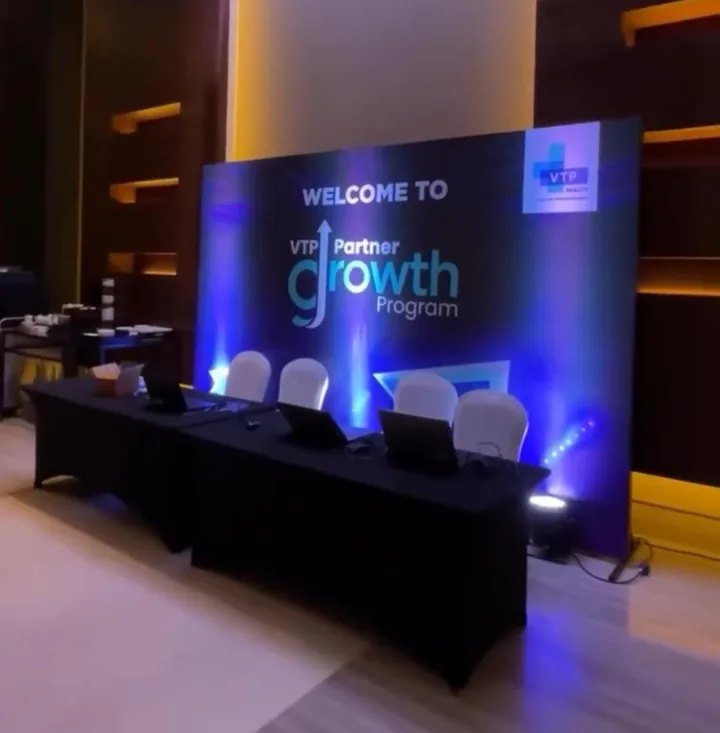
Wifi and network
Capacity planned per device rather than per head, on a line that is tested under load before the day.
Shop 7, Ekta Nagri, Near Dwarka Apartment, Anand Nagar, Pune 411051

Hinjewadi, Baner and Kharadi run on events that are judged by people who build software for a living. The networking has to work, the demo has to connect, and nobody forgives a live pitch that dies on a dropped link.
A conference runs on an agenda. Startup events do not, and the three main formats each break in their own way.
A demo day is a timed sequence of live software. The failure is technical: a laptop that will not switch, a demo that needs the internet, a founder who overruns by four minutes and eats the next three pitches.
A hackathon runs for twenty-four or thirty-six hours straight, which makes it a hospitality and safety job as much as an event — food at three in the morning, power at every seat, somewhere to sleep, security for an overnight building, and a judging round when everyone is exhausted.
A meetup is mostly networking with talks attached. The failure there is a room laid out in theatre rows, which stops the thing people came for.
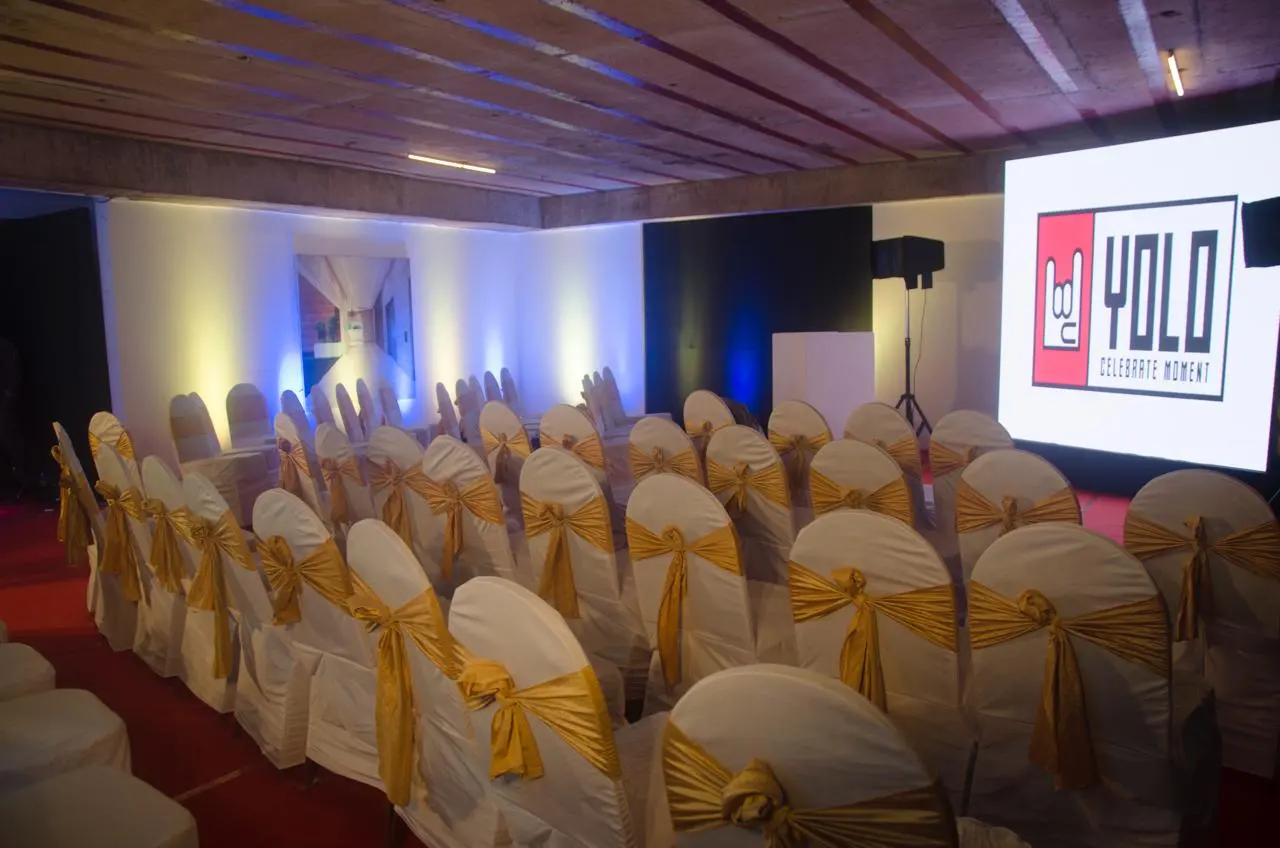
Every photo here is from an event our team planned and ran.
The list is short and almost entirely technical.
Capacity planned per device rather than per head, on a line that is tested under load before the day.
A switcher so laptops change in seconds, a confidence monitor, a backup machine and a recording of each demo as a fallback.
A visible countdown the host controls, agreed with speakers beforehand. Pitch overrun is the normal case, not the exception.
For hackathons: meals through the night, power at every seat, rest space, medical cover and building security.
Scoring sheets, a judges’ room, a tabulation that is checked, and a result announced cleanly.
Rounds and standing zones instead of theatre rows, with the coffee where you want people to collide.
Cohort pitches to investors, timed, live software on screen.
Shorter format, public audience, judges and a prize.
Twenty-four to thirty-six hours, overnight, with mentors and judging.
Networking-led, a short talk or panel, strong on format and weak on stage.
A user group or tech community, recurring, usually sponsor-funded.
Closer to a corporate launch, with a working demo at the centre.
Small, private, and judged on the quality of the room.
Inside a college, with an institute’s calendar and rules around it.
This audience is unusually unforgiving about infrastructure and unusually tolerant about decor.
Two hundred people with a laptop and a phone each is five hundred devices, and a venue that says its wifi is fine means fine for forty guests checking email. Capacity gets planned per device and tested under load, and for a demo day the presenting machine is on a separate connection or a wired line.
Switching laptops between pitches is where demo days die. A switcher with every machine pre-connected and tested, a confidence monitor so the founder is not looking backwards, and a screen recording of each demo made in advance so a dead connection does not end a pitch.
Founders overrun. All of them. A visible countdown the host controls, agreed in the briefing, and a host willing to actually stop someone. Without it a ten-pitch demo day becomes fourteen and the investors leave before the last three.
A hackathon means meals at midnight and three in the morning, power at every single seat, somewhere to lie down, first-aid cover, and a building that is secure with people in it all night. The venue must agree to all of that in writing, and many will not.
Scores on paper, collected by someone, tabulated and checked in a closed room, with a tie rule agreed beforehand. The worst moment at these events is a result argued about in front of the audience.
People came to meet each other. Standing zones, high tables, rounds, and the coffee placed where you want conversations to start. A short talk from a low stage, not a proscenium.
See conference organisers, corporate events and campus events.
That search returns whoever advertises hardest in Pune, not whoever runs the better event. It is a starting list, and the sorting is still yours to do.
Three questions separate the shortlist quickly: has the team worked in Pune before, is the quotation itemised, and who is physically on site on the day. Our contact page has both numbers and WhatsApp, and you will get an itemised scope back rather than one figure.
Can't find yours? Call or WhatsApp — a planner answers.
Network capacity planned per device rather than per head, demo AV with a switcher and a recorded fallback for every live demo, a timer the host actually enforces, and for hackathons a full overnight operation. The decor matters far less to this audience than any of those.
Every presenting laptop pre-connected to a switcher and tested, a confidence monitor so the founder faces the room, a separate or wired connection for the demo machine, and a screen recording of each demo made beforehand so a dropped link does not end a pitch.
Yes, and it is planned as a hospitality and safety operation as much as an event: meals through the night, power at every seat, rest space, first-aid cover and a building that is secure with people inside all night. The venue has to agree to all of that in writing, and many venues will not.
Scoring sheets per judge, collected and tabulated in a closed room, checked by two people, with a tie-break rule agreed before the event. A result argued about in front of the audience is the worst ending these events have, and it is entirely preventable.
Not theatre rows. Standing zones, high tables and rounds, with the coffee and food placed where you want conversations to start, and any talk given from a low stage. People came to meet each other; the programme should get out of the way of that.
It follows the headcount, the venue, the AV and network, and whether it runs overnight. A sponsor-funded community meetup for eighty and a thirty-six-hour hackathon for four hundred are different jobs. Send the format, the headcount and whether there are live demos.
Reviews and ads decide who appears first, not who runs the better event. Plan With YOLO has planned events since 2013 out of Pune and handles demo day, pitch night and hackathon in Pune. Ask what happens to the price when a number moves; a single figure tells you nothing.
Look for a team that has already worked in Pune, because venue access, power and society timings are local knowledge and cost you a day to learn. Our office is in Anand Nagar off Sinhagad Road and the crew travels to Pune with its own kit. Send the date, the venue and a rough guest count and you get a scope back the same day.
There is no standard rate — the cost follows the guest count, the venue, how much décor and stage you want, and the date. A wedding date in season and a weekday corporate meeting in Pune are not comparable, so a quoted range before anyone has seen the brief is not worth much. You will get an itemised scope for your own event, and every line on it can move.
Pune · PCMC
Conferences · Offsites · R&R nights · Dealer meets
Fests · Farewells · Cultural nightsDemo day or hackathon? Tell us the format.
The headcount, whether there are live demos and whether it runs overnight. The first thing we will check is the venue’s network, not its decor.