
In a world where audiences are constantly exposed to digital advertising, brands are searching for more meaningful ways to connect. This shift has made event branding services one of the most powerful tools for creating real-world brand experiences. Events are no longer just gatherings. They are carefully designed touchpoints that shape how people feel, remember, and engage with a brand.

As we move into 2026, event branding has evolved beyond banners and logos. It now blends storytelling, interaction, and technology to create emotional connections. Businesses across industries are using brand-led events to build trust, launch products, and strengthen relationships. India, especially cities like Pune, has become a growing hub for creative event execution. With a strong talent ecosystem and cost-effective production capabilities, Indian event planners are helping brands deliver experiences that meet global standards. Experienced teams like Plan with Yolo understand how to translate brand identity into impactful on-ground experiences that resonate with modern audiences.

Understanding Event Branding Services in the Modern Era

Event branding services focus on how a brand is visually, emotionally, and experientially represented during an event. This includes everything attendees see, feel, and interact with, from stage design and signage to messaging, tone, and engagement formats. The goal is not just visibility but recall and emotional association.

In 2026, event branding is deeply audience-centric. Brands study their audience behavior and expectations before designing the experience. Corporate event branding now aligns closely with marketing and communication goals rather than functioning as a standalone activity. Every element is planned to reinforce the brand story consistently.

Professional event branding agencies bring structure to this process. They ensure that branding is not scattered or inconsistent. Instead, it flows naturally across touchpoints such as registration desks, presentation screens, interactive zones, and social media moments. This structured approach helps brands communicate clearly while standing out in competitive environments.

Key Elements of Effective Corporate Event Branding

Successful corporate event branding starts with clarity. Brands must define what they want attendees to feel and remember. Is the goal authority, innovation, trust, or excitement? Once this is clear, branding decisions become more focused and meaningful.

Visual identity plays a crucial role. Colors, fonts, lighting, and layouts must align with the brand’s existing identity. Consistency across all elements builds familiarity and trust. Messaging is equally important. Simple, audience-focused communication works better than complex brand jargon.

Another key element is interaction. Passive branding no longer creates impact. In 2026, corporate events are designed to encourage participation through demos, experiences, and conversations. Event branding agencies help brands design these interactions so that engagement feels natural rather than forced.

Execution quality ties everything together. Even the best branding ideas can fail without proper coordination. Professional planners ensure timelines, vendor alignment, and on-ground execution are managed smoothly to protect the brand image.

Brand Activation Events and Experiential Engagement

event branding services in Pune
Why Event Branding Services Are Redefining Corporate and Brand Activation Events 1

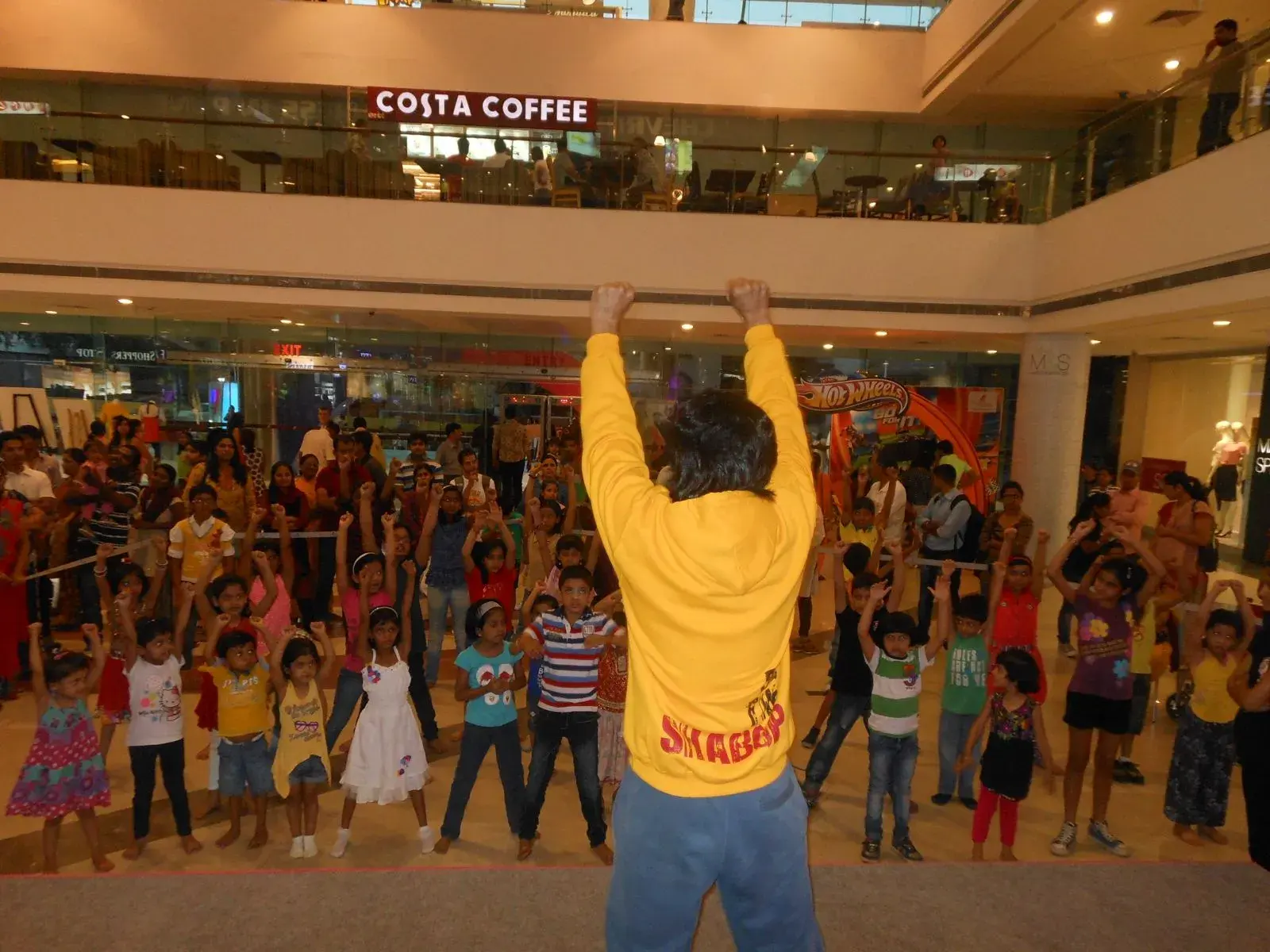
Brand activation events are designed to bring a brand to life through direct interaction. Unlike traditional promotions, these events focus on experience rather than selling. They allow audiences to engage with a brand in a memorable and personal way.

In 2026, brand activation events often combine physical and digital elements. Interactive installations, live demonstrations, and experiential zones encourage participation. These moments create emotional connections that are more powerful than advertisements.

The success of brand activation depends on relevance. Audiences should feel that the experience adds value rather than interrupting their time. This requires thoughtful planning and creative execution. Brands that invest in well-designed activations often see higher engagement, stronger recall, and positive word-of-mouth.

Why Indian Event Branding Agencies Are Gaining Global Trust

Indian event branding agencies are increasingly trusted by global brands due to their creativity, adaptability, and execution strength. Cities like Pune offer access to skilled designers, production teams, and event professionals who understand both local and international brand expectations.

One major advantage is flexibility. Indian teams are experienced in handling diverse audiences, formats, and budgets. This allows them to adapt branding strategies across industries and event types. Corporate event branding executed in India often matches global quality standards while offering better scalability.

Strong vendor networks also play a role. From fabrication and lighting to digital integration, agencies can manage complex requirements efficiently. This end-to-end capability makes Indian agencies reliable partners for brands looking to deliver consistent experiences across regions.

Customization, Coordination, and Long-Term Brand Value

Customization is at the heart of effective event branding services. No two brands have the same identity or audience. Professional planners tailor branding elements to match brand personality, campaign goals, and event format.

Long-term value comes from consistency. When brands maintain a coherent event branding approach across multiple touchpoints and events, they build stronger recognition and trust. Working with a reliable planning partner ensures this consistency over time.

End-to-end coordination also protects brand reputation. From concept development to final execution, every stage is aligned with brand guidelines. Experienced teams like Plan with Yolo focus on managing these details so brands can concentrate on engagement and outcomes rather than logistics.

Comparison: Traditional Event Branding vs Modern Experiential Branding

AspectTraditional Event BrandingModern Experiential Branding
FocusVisual visibilityEmotional and interactive experience
Audience RolePassive observersActive participants
Brand RecallShort-termLong-lasting and memorable
EngagementLimitedHigh and immersive
ImpactInformationalExperiential and emotional

This comparison highlights why brands are shifting towards experiential branding models that create deeper connections rather than surface-level impressions.

Real-World Use Cases of Event Branding in 2026

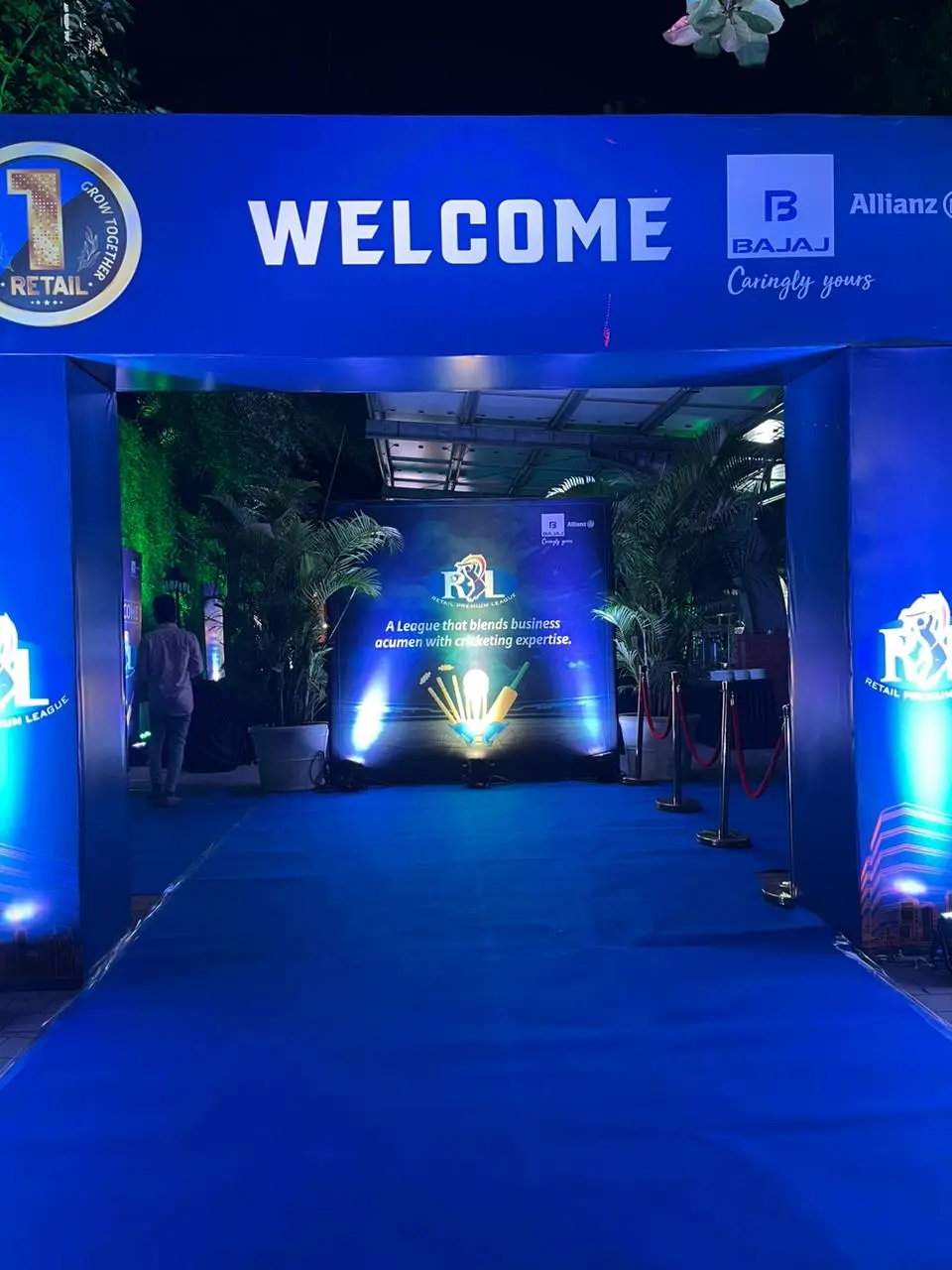
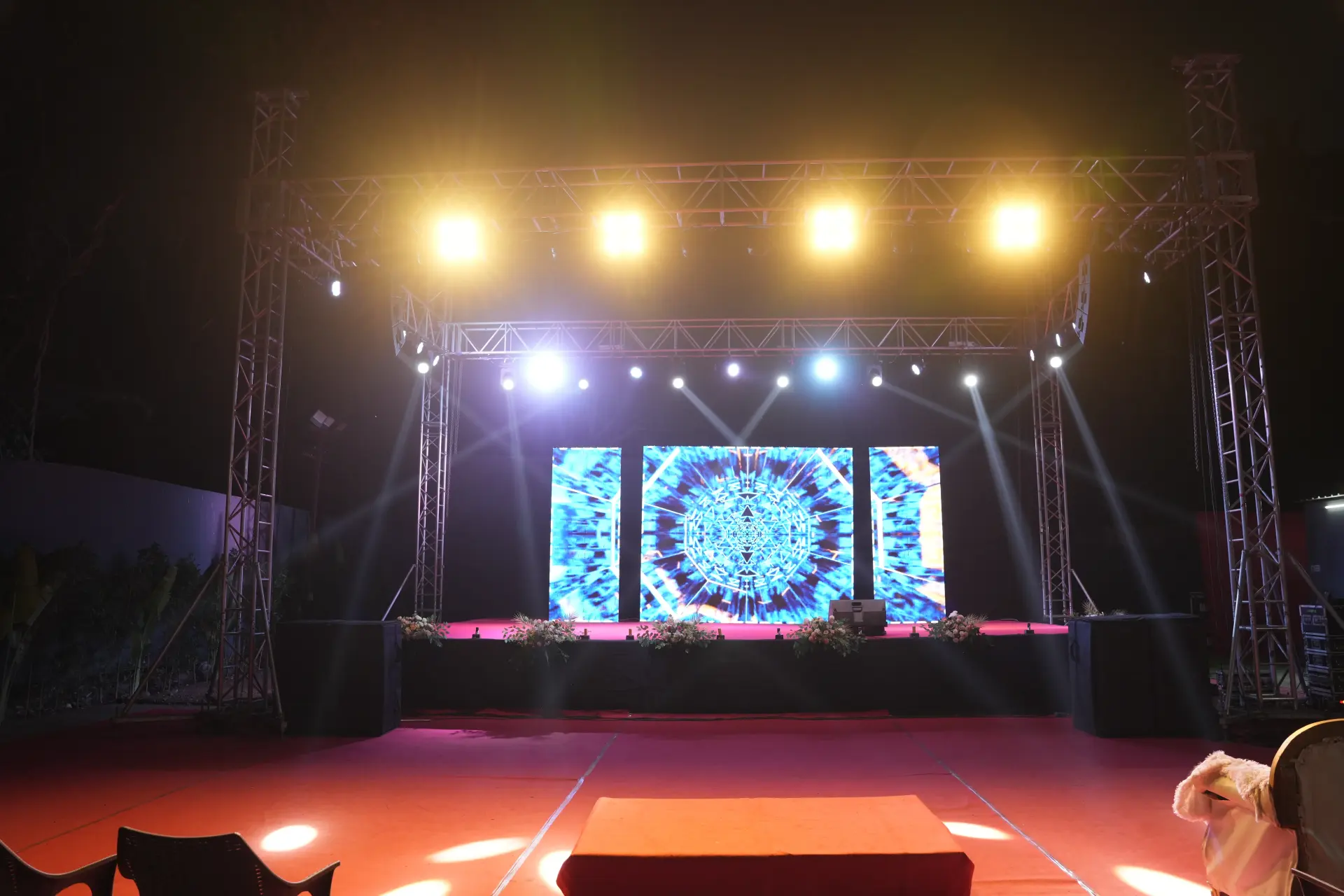
Corporate conferences use event branding to establish authority and credibility. Thoughtful stage design, branded content, and seamless flow help reinforce leadership positioning.

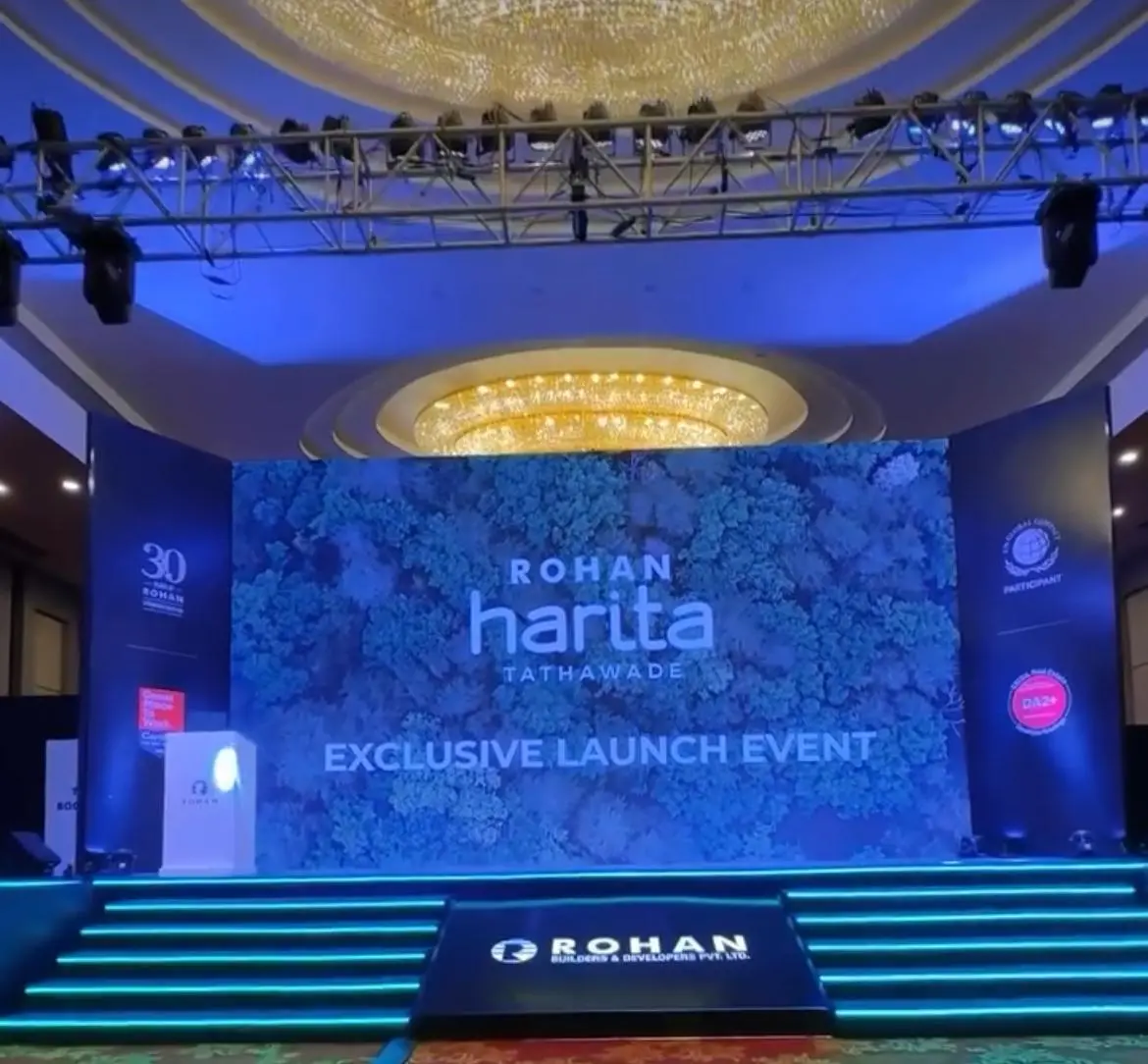
Brand launch events rely heavily on emotional impact. Strong storytelling, visuals, and interaction help audiences connect with new products or services instantly.

Internal corporate events also benefit from branding. Employee engagement programs use branding to strengthen culture and alignment. Consistent visuals and messaging help employees feel connected to the brand’s vision.

Event Branding Guide for Businesses

Businesses planning branded events should begin by defining clear objectives. Understanding what success looks like helps guide branding decisions. Audience analysis is equally important. Branding should speak to audience needs rather than brand ego.

Choosing the right agency matters. Experience, creativity, and coordination skills are critical. A good agency listens, advises, and collaborates rather than imposing ideas.

Finally, businesses should view event branding as an investment rather than a one-time activity. When planned strategically, branded events deliver long-term value through trust, loyalty, and recall.

Conclusion

As brands compete for attention in crowded markets, experiences matter more than ever. In 2026, event branding services play a central role in how brands communicate, engage, and build trust. From immersive brand activation events to strategic corporate event branding, well-planned events create meaningful connections that digital channels alone cannot achieve.

India’s growing event ecosystem offers brands access to creative talent, scalable execution, and global-quality delivery. By focusing on consistency, customization, and experience-led design, brands can transform events into powerful brand assets. With reliable partners like Plan with Yolo, businesses can confidently create branded experiences that leave lasting impressions and drive long-term value.

With the right strategy, creativity, and execution, events become powerful brand-building tools. Experienced teams like Plan with Yolo help businesses transform ordinary gatherings into memorable brand experiences that deliver value beyond the event itself. By focusing on storytelling, customization, and audience connection, businesses can use event branding to build stronger relationships and long-term brand success.

1. What is event branding?

It is the process of designing events to reflect a brand’s identity, values, and message across all touchpoints.

2. How do brand activation events help businesses?

Brand activation events create direct engagement with audiences, improving brand recall and emotional connection.

3. Is corporate event branding important for internal events?

Yes, corporate branding reinforces company culture and professionalism even for internal stakeholders.

4. What makes event branding effective in 2026?

Effective event branding focuses on experience, interaction, storytelling, and consistency across platforms.

5. How do I choose the right event branding agency?

Look for an agency with proven experience, strong creative capability, reliable execution, and a clear understanding of your brand goals. Established teams like Plan with Yolo are known for delivering thoughtful event branding with consistent results.

Leave a Reply

Your email address will not be published. Required fields are marked *